How to Pack for a City Walk When the Weather Might Change
Pack for a city walk with a simple way to match layers and essentials to your time out, the forecast, and what you can comfortably carry.
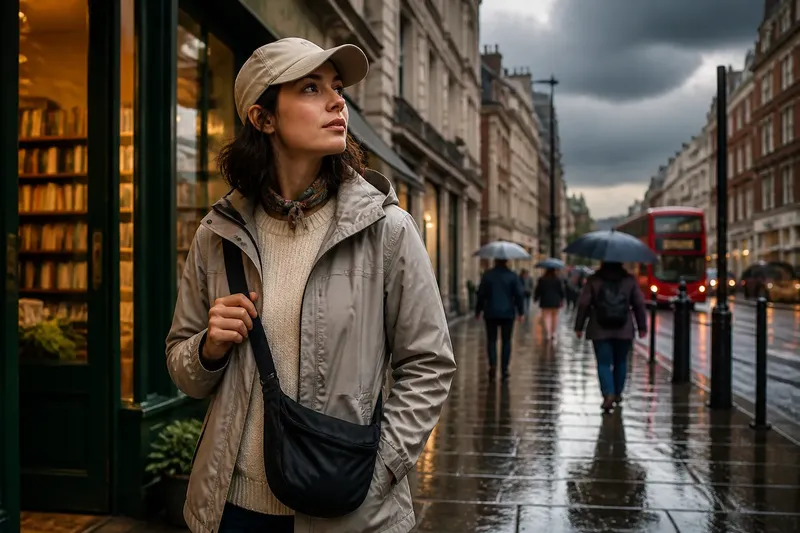
What should you bring on a city walk if the sky may turn before you get home? Packing for a city walk is less about carrying a full set of outdoor gear than choosing a few useful items for the time you expect to be out, the layers you can adjust, and the bag you will still enjoy carrying.
Start with the outing you actually plan to take. A quick walk between appointments calls for different choices than an afternoon spent crossing neighborhoods. Then check the day’s forecast and your route, decide how much weather protection you need, and pack only what fits comfortably.
Set the shape of the walk before choosing gear
Estimate the outing by its likely duration and purpose, not just the distance on a map. A walk that includes a café stop, errands, or time waiting for a bus can keep you outdoors longer than a direct stroll. Those pauses matter because you may feel cooler when you stop moving.
Consider what the route offers if the weather shifts. Downtown streets may have covered entrances, shops, or transit nearby; a waterfront path or open plaza may leave fewer places to shelter. You do not need to plan every turn, but knowing where you could pause or shorten the outing helps you decide how much protection to carry.
Say you are planning a relaxed walk through a neighborhood with a bookstore stop and a bus ride home. If the forecast suggests a passing shower, a compact rain shell may be more useful than an umbrella you would need to manage in crowded shops. If the outing is a brief, direct walk between covered buildings, that same shell may be unnecessary.
Read the forecast for changes you will feel
Look beyond the general label of “sunny” or “rainy.” Check whether rain is expected during the hours you will be out, whether wind is likely, and whether the temperature may feel different in exposed streets than it does near home. A forecast cannot tell you exactly what your block will feel like, but it can flag the conditions that should shape your choices.
Think about the difference between a short shower and steady rain. For a brief shower, a hooded shell or small umbrella may be enough; for prolonged wet weather, you may prefer a more protective outer layer and shoes that are comfortable if sidewalks become damp. Wind also affects comfort: a light layer that blocks a breeze can be more useful than another thick garment.
Use the forecast as a reason to adapt, not to pack for every possible sky. If conditions are uncertain, choose one versatile protective item rather than carrying separate gear for sun, wind, and rain. A brimmed cap can help with glare and light drizzle, while a packable shell provides broader coverage when a shower seems more likely.
Choose layers you can adjust without fuss
Dress in a base layer that feels comfortable while walking, then add one removable layer if the weather calls for it. A light fleece or sweater can provide warmth during a cool start, while a wind-resistant shell can help in breezy or wet conditions. If you expect both, wear the warmer layer and carry the shell only if it can be packed without making your bag awkward.
Favor garments that work together and are easy to take off or put back on. A bulky coat can become a nuisance when you enter a crowded store or board a bus; a lighter jacket that folds into a tote or daypack is easier to manage. Avoid bringing a spare outfit unless you have a specific reason, such as a planned change after the walk.
Pay attention to the parts of your body that are most exposed. A cap or light scarf can make a cool, windy walk more comfortable without adding much bulk. Gloves may be useful on a chilly day, but if your hands are likely to warm up once you start walking, carrying a large pair can be needless weight.
Match your bag to what you can comfortably carry
Choose a bag that stays stable as you walk and leaves your hands available for crossings, doors, and transit. A small crossbody bag may suit a short outing with only a phone, keys, and a folded shell. A compact daypack can make more sense for a longer walk when you also need water, a snack, or a place to stow a layer.
Before leaving, put the items inside and walk around your home for a moment. Notice whether a strap slips, whether hard objects press against you, or whether the bag swings when you turn. If the load feels distracting before you reach the sidewalk, remove something nonessential or switch to a more comfortable bag.
Keep frequently used items easy to reach. Put transit fare, a phone, and tissues in a small pocket rather than at the bottom beneath clothing. If you carry a reusable water bottle, place it where it will not tip or crowd the layer you may need to store later.
What should you bring for a changing forecast?
Is a rain jacket or umbrella better for a city walk?
A jacket leaves both hands free and is easier to use on a breezy street or crowded sidewalk. An umbrella can be convenient in calm rain, especially if you will spend time standing still, but it takes a hand and can be awkward in tight spaces.
Should you carry an extra warm layer?
Bring one if you expect to be outside during a cool start, a long pause, or a change in conditions. If you will walk steadily and can head indoors easily, wearing a comfortable base layer may be enough.
How much water should you pack?
For a short walk with easy access to shops or fountains, a bottle may add more bulk than you need. For a longer outing, warm conditions, or a route with few places to refill, carrying water can be a sensible choice; adapt it to your own needs.
What should stay at home?
Leave behind duplicate layers, bulky accessories, and items that serve no clear purpose for this outing. A city walk is easier to enjoy when your bag holds what you may use, not every object that could conceivably help.
Make a final comfort check at the door
Before heading out, check the weather once more and notice how your clothing feels while you stand still. If you already feel warm, remove a layer; if a breeze reaches you, add a light barrier before starting. Check that your phone, keys, and transit payment are easy to find, and make sure the bag closes securely.
What is not worth the effort is trying to predict every small change or carrying a different accessory for each possibility. One adaptable layer, a suitable bag, and a realistic plan for the outing usually make more sense than a crowded pack.
For packing for a city walk, let the expected duration set the basic load, let the forecast determine the protective layer, and let your own comfort decide whether the bag is too much. If the sky changes, you should still be able to walk, pause, or head indoors without wrestling with your gear.